
Emergency Water Damage Restoration Naperville IL
Immediate Structural Drying And Water Damage Mitigation
The single most extensive soil unit mapped across our regional district is Orthents, clayey, undulating, covering about 31,336 acres of IL043.
Dense regional ground formations also include the dominant mapped soils of IL043 by acreage: Orthents, clayey, undulating; Markham-Ashkum-Beecher complex, 1 to 6 percent slopes; Ashkum silty clay loam, 0 to 2 percent slopes; and Markham silt loam, 2 to 4 percent slopes.
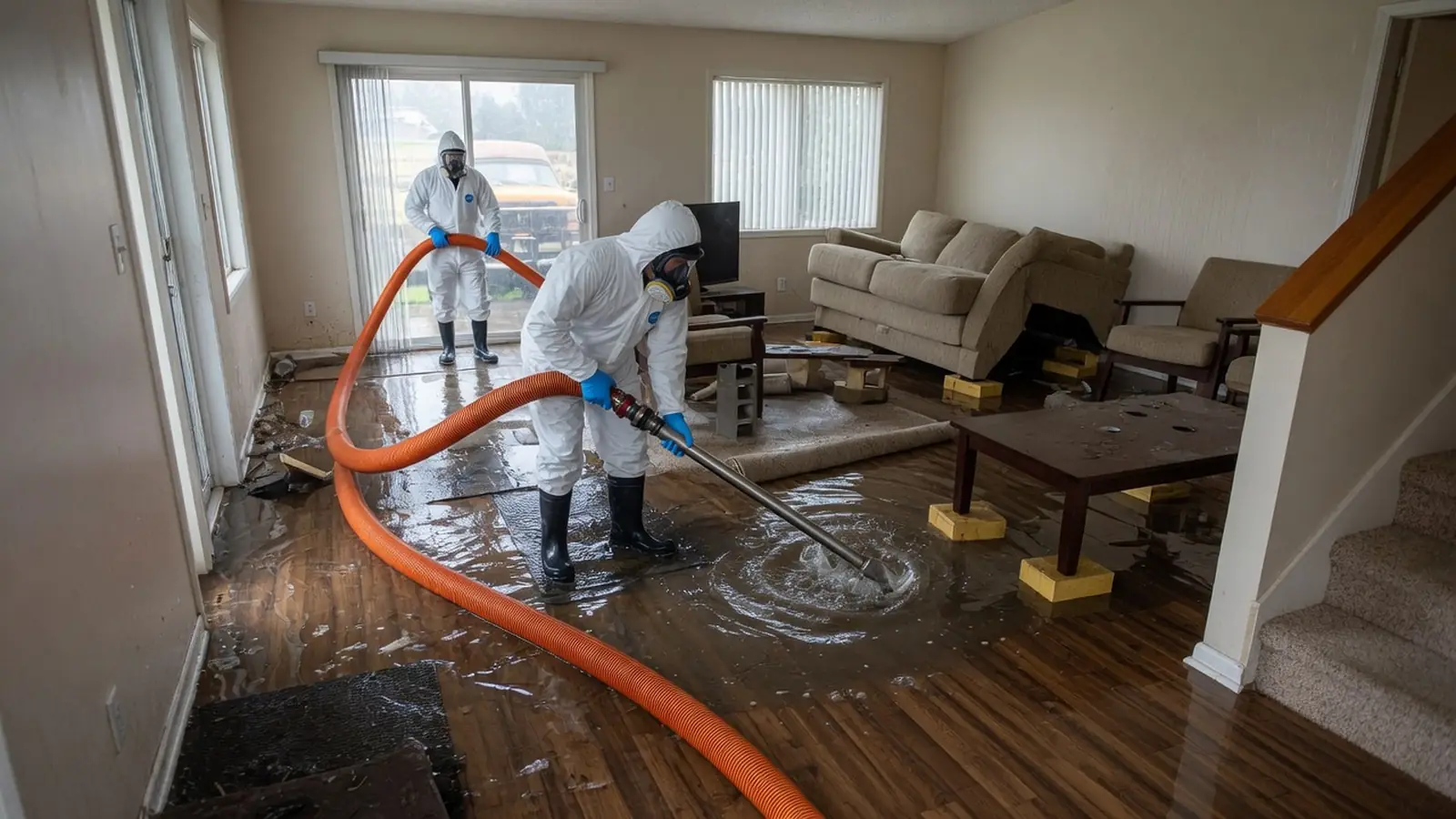
When heavy ground saturation triggers basement flooding, our crew handles complete water extraction and structural drying.
About 6% of housing units in the local community (3,645 of 56,310) were built before 1960, the era of galvanized steel supply lines and cast iron drains.
Furthermore, about 6% of housing units (3,107 of 56,310) were built in the 1960s, overlapping the years aluminium branch wiring was installed.
Approximately 41% of local housing units (23,015 of 56,310) were built in the 1970s and 1980s, overlapping the years polybutylene supply piping was commonly installed.
Around 53% of properties (29,767 of 56,310) were built before 1980, the period when asbestos-containing materials and lead paint were still in use.
Our certified technicians use thermal imaging and penetrating moisture probes to locate trapped moisture pockets behind baseboards and beneath subfloors before mold colonizes.
How We Remediate Severe Structural Water Damage
From rapid dispatch to final moisture verification, we stabilize your property using calibrated industrial drying systems. When plumbing ruptures during winter frozen pipes, our crew isolates the source and begins extraction immediately.
- Rapid Extraction And Water Pumping. Technicians deploy truck-mounted extraction units and heavy-duty submersible pumps to evacuate bulk standing water immediately, reducing hydrostatic pressure on foundation walls.
- Moisture Mapping And Controlled Flood Cuts. A pattern echoed in public discussions is that extensive standing water in finished basements leaves homeowners unsure how high to make flood cuts in drywall and which trim and flooring items are salvageable. Technicians measure capillary wicking using moisture meters and execute clean flood cuts twelve to twenty-four inches above the moisture line to ventilate wet wall cavities while preserving intact framing.
- Porous Material Removal And Sanitization. Homeowners face uncertainty regarding flood cuts, removing waterlogged carpet, and disposing of contaminated basement materials according to local guidelines. We safely bag and discard ruined porous padding, apply EPA-registered antimicrobials to framing, and preserve clean non-porous structural elements.
- Industrial Dehumidification And Daily Verification. Commercial desiccant dehumidifiers and high-velocity air movers run continuously to pull deep moisture from sill plates and subfloors. We record daily psychrometric readings to verify that framing reaches dry standard targets before reconstruction begins.
Our Iron-Clad Structural Drying Guarantee
Homeowners often describe how demolition of water-damaged drywall reveals heavy black mold infestation on wall framing and insulation, necessitating professional mold abatement. Our professional mold remediation services ensure all biological contaminants are treated with botanical antimicrobials and dried to industry equilibrium standards. We commit to thorough psychrometric logging, transparent communication at every stage, and clean job sites without surprise charges.
Storm Damage And Flood Water Extraction
Severe weather frequently triggers sudden structural leaks, reflected by NOAA radar recording 2,178 hail signatures within about 15 miles of the local area between 2021-2025 (2021: 253, 2022: 390, 2023: 328, 2024: 745, 2025: 462). The heaviest recent hail year around the area was 2024, with 745 radar hail signatures inside a 15-mile radius causing roof intrusions and foundation seepage. We pump out intruding stormwater quickly using industrial submersible extractors.
Burst Pipe And Plumbing Leak Dryout
Aging polybutylene or corroded galvanized lines can fail without warning, releasing hundreds of gallons into walls and ceilings. Our technicians isolate the break, extract trapped moisture, and dry the structure thoroughly.
Basement Drainage Backup Recovery
When overwhelmed municipal drains push contaminated water into lower levels, rapid intervention is essential. We remove hazardous black water, strip saturated porous flooring, and sanitize concrete slabs to restore safe indoor air quality.
Our Commitment To Rapid Water Extraction
Every water loss requires prompt technical intervention to prevent progressive mold proliferation and wood rot. Our emergency dispatch team is equipped with calibrated commercial dehumidifiers, infrared sensors, and certified structural drying protocols to stabilize homes quickly.
- 10Zip Codes Served
- 6Service Areas
- 3Services Offered
Local property owners rely on our certified water damage specialists when flooding strikes unexpectedly. Read how our emergency drying protocols, transparent pricing, and meticulous cleanup standards help neighbors recover quickly from severe residential water losses.
“When our basement took on four inches of water, the crew walked the entire lower level with moisture meters and gave us a firm written estimate. Every extraction cost and disposal fee matched the original proposal down to the cent, with zero hidden add-ons at final billing. Their honest approach during an emergency took immense weight off our shoulders.”
Marcus T.
“The clean flood cuts they made through our drywall were perfectly straight and level at exactly eighteen inches across the entire family room. Even the carpet tack strips and baseboard seams were removed without gouging into the neighboring door jambs. You could immediately tell the team takes tremendous pride in protecting undamaged structural framing.”
Elena R.
“After watching how swiftly this company extracted standing water and sanitized our crawlspace, I told my next-door neighbor to keep their emergency number on speed dial. She called them two weeks later when a frozen exterior spigot burst and received the same prompt response. It feels great recommending a crew that consistently delivers what they promise.”
Gregory P.
“Pulling back the waterlogged insulation exposed old damaged subfloor framing from an unrecorded previous leak that was never dried properly. Rather than panicking or delaying the drying schedule, the crew clearly explained the structural situation and sealed off the affected cavity without charging extra hassle fees. Their calm professionalism turned what could have been a disaster into a smooth recovery.”
Clara S.
Frequently Asked Questions
Can finished basement carpeting and pad be dried in place after a storm backup, or must porous floor coverings be removed immediately to prevent microbial growth?
Porous carpet and padding must be removed immediately after a storm backup because trapped sewage pathogens and moisture cause rapid microbial growth. Once contaminated storm water saturates pad cushioning, it cannot be thoroughly sanitized in place and creates a breeding ground for mold.
How high should flood cuts be made in water-damaged drywall?
Drywall flood cuts should be made at least twelve to twenty-four inches above the peak moisture line to remove all hidden moisture inside wall cavities. This opening facilitates cross-ventilation and allows restoration technicians to apply antimicrobial washes to exposed wall studs.
How long does professional structural drying typically take?
Structural drying typically takes three to five days under continuous industrial air movers and low-grain refrigerant dehumidification equipment. Technicians monitor daily psychrometric data to verify that framing moisture levels match dry standards before wall reconstruction begins.
How do older plumbing materials in local homes impact water damage risks?
Homes built with legacy galvanized supply pipes or polybutylene lines face sudden catastrophic pipe bursts requiring immediate emergency extraction. Corroded metals and brittle plastic connections often fail without advance warning under typical winter water pressure fluctuations.
Will homeowner insurance cover emergency water damage extraction?
Homeowners insurance usually covers sudden internal pipe bursts, but sewer backups and external ground flooding require dedicated policy endorsements. We document moisture readings with infrared imaging and provide itemized drying logs to streamline your carrier claim process.